Cairo Vs Dubai Rental Market 2026: Which Wins?
The Cairo vs Dubai rental market 2026 comparison is one of the most debated topics among expats, remote workers, and property investors in the MENA region. Cairo offers dramatically lower absolute costs but operates with less transparency, while Dubai delivers a regulated, expat-friendly framework that trades affordability for predictability. This article provides a practical, side-by-side comparison that helps renters and investors decide which market fits their specific goals.
Quick Answer: Cairo is significantly cheaper to rent in absolute terms, but Dubai offers a more transparent, regulated, and predictable rental experience. The "better" choice in 2026 depends entirely on whether you prioritize cost savings or legal certainty and ease of living.
Key Takeaways
- Cairo offers substantially lower rental costs per square meter, but the market is fragmented, informal, and less transparent than Dubai's. - Dubai provides a highly regulated, expat-friendly rental framework with standardized Ejari-registered contracts and clear dispute resolution channels. - The right choice depends on your profile: budget-conscious renters may prefer Cairo, while corporate expats and investors often favor Dubai for its predictability. - Rental laws in Cairo favor tenants in several areas, but enforcement is inconsistent; Dubai's laws are strict, well-documented, and consistently applied. - For investors, Dubai offers higher liquidity and more reliable yields with higher entry costs; Cairo offers lower entry barriers but greater management and currency risk.
The Complete Answer: Cairo vs Dubai Rental Market in 2026 — What You Need to Know
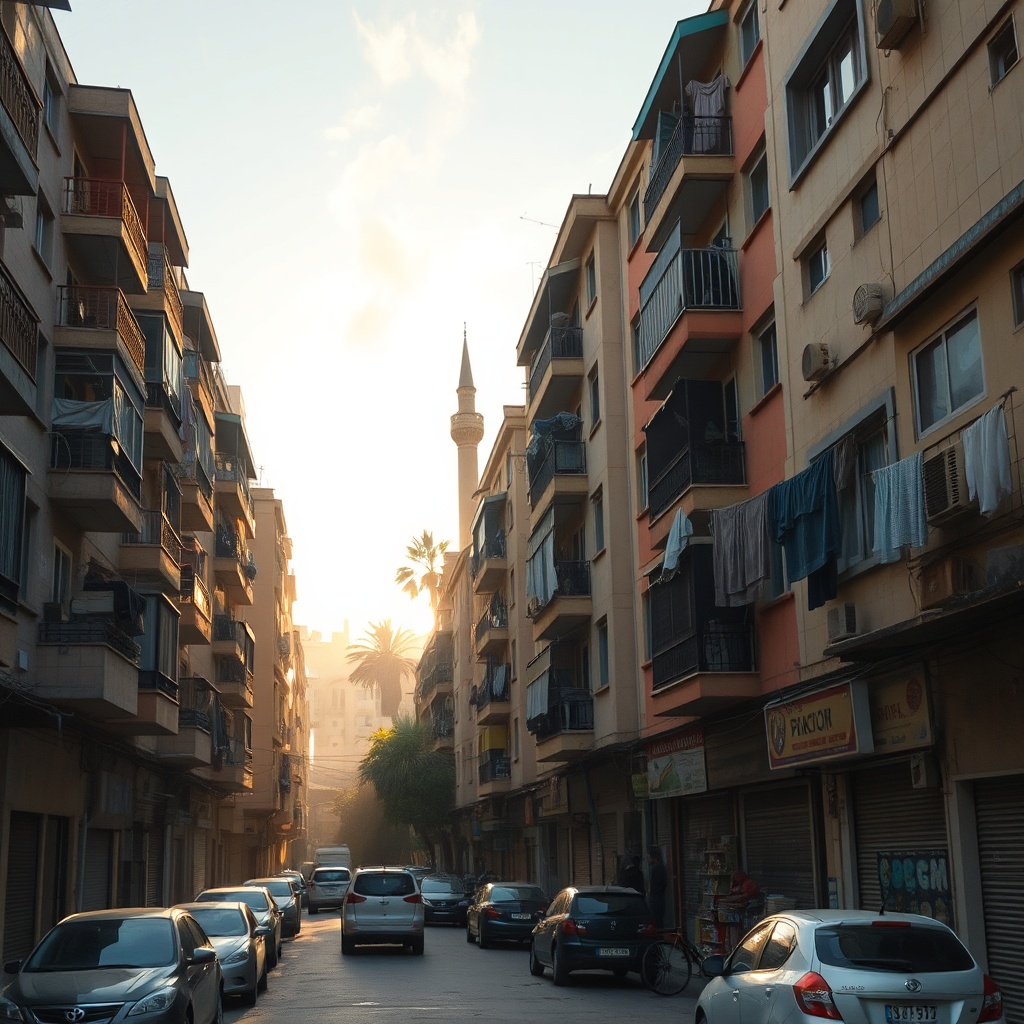
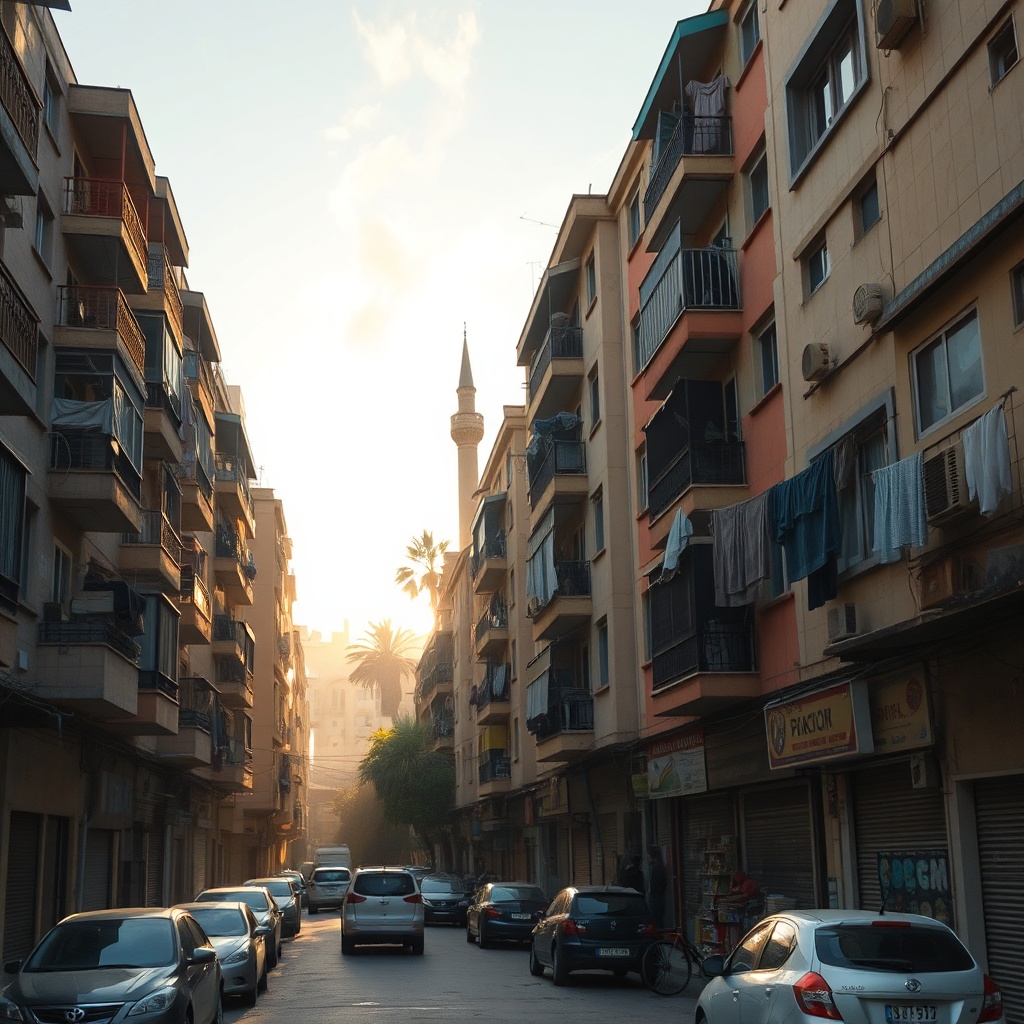
A glimpse of typical Cairo residential architecture, highlighting the lower costs and less formal rental environment.
The Cairo vs Dubai rental market 2026 comparison is not a simple question of which city is cheaper. It is a question of which market structure aligns with your personal and financial goals.
Cairo's rental market is characterized by a large supply of informal and semi-formal listings, direct negotiation with landlords, and rents quoted in Egyptian pounds. The market is responsive to local inflation and currency pressure, which means rents can shift quickly in nominal terms. Dubai, by contrast, operates under a centralized framework where all tenancy contracts must be registered through Ejari, rents are typically paid via post-dated cheques, and disputes are handled through a dedicated rental dispute center.
The key differentiators are price, legal framework, liquidity, and lifestyle. Cairo wins on price. Dubai wins on everything else. For a budget-focused renter, Cairo offers more square meters per dollar. For a corporate expat, Dubai offers seamless infrastructure, predictable costs, and peace of mind. For an investor, Dubai offers a more liquid exit and clearer returns, while Cairo offers a lower entry point with higher potential upside — and higher risk.
Quick Answer: The "better" market in 2026 is profile-dependent. Budget-conscious renters and those with local income may find Cairo more suitable; corporate expats, remote workers with foreign income, and investors seeking liquidity typically prefer Dubai.
The Core Differences at a Glance
The fundamental structural difference is that Cairo's market is fragmented and semi-formal, while Dubai's is centralized and regulated.
In Cairo, rental listings are spread across brokers, Facebook groups, classifieds, and word-of-mouth. Many properties are owned by individual landlords who manage their units directly. There is no mandatory central registry for rental contracts, and notarization practices vary. This creates flexibility but also introduces risk: verifying ownership, negotiating terms, and enforcing agreements all require more effort from the renter.
In Dubai, the market is anchored by licensed real estate agents, approved property portals, and the Ejari registration system. Every tenancy contract must be registered, which creates a verifiable record of the agreement. The Dubai Land Department and the Rental Dispute Centre provide structured channels for resolving conflicts. This means renters have a clear path when something goes wrong — but they also have less room for informal negotiation.
Supply and demand dynamics also differ. Dubai's rental market is closely tied to its real estate development cycle, with master-planned communities adding thousands of units each year. This large, planned supply keeps rents competitive in many areas. Cairo's supply is more organic, with older central neighborhoods and newer satellite developments coexisting. Rental prices in Cairo are more sensitive to local inflation and currency movements, while Dubai's market is more responsive to global economic conditions and investor sentiment.
Currency stability is a major differentiator. Dubai's currency is pegged to the US dollar, providing a stable benchmark for renters and investors. Cairo's currency has faced significant volatility in recent years, and the Egyptian pound's exchange rate directly impacts the real cost of housing for those earning foreign income. For locals earning in Egyptian pounds, this volatility affects purchasing power; for expats earning in dollars or euros, it can make Cairo's already low rents even more affordable.
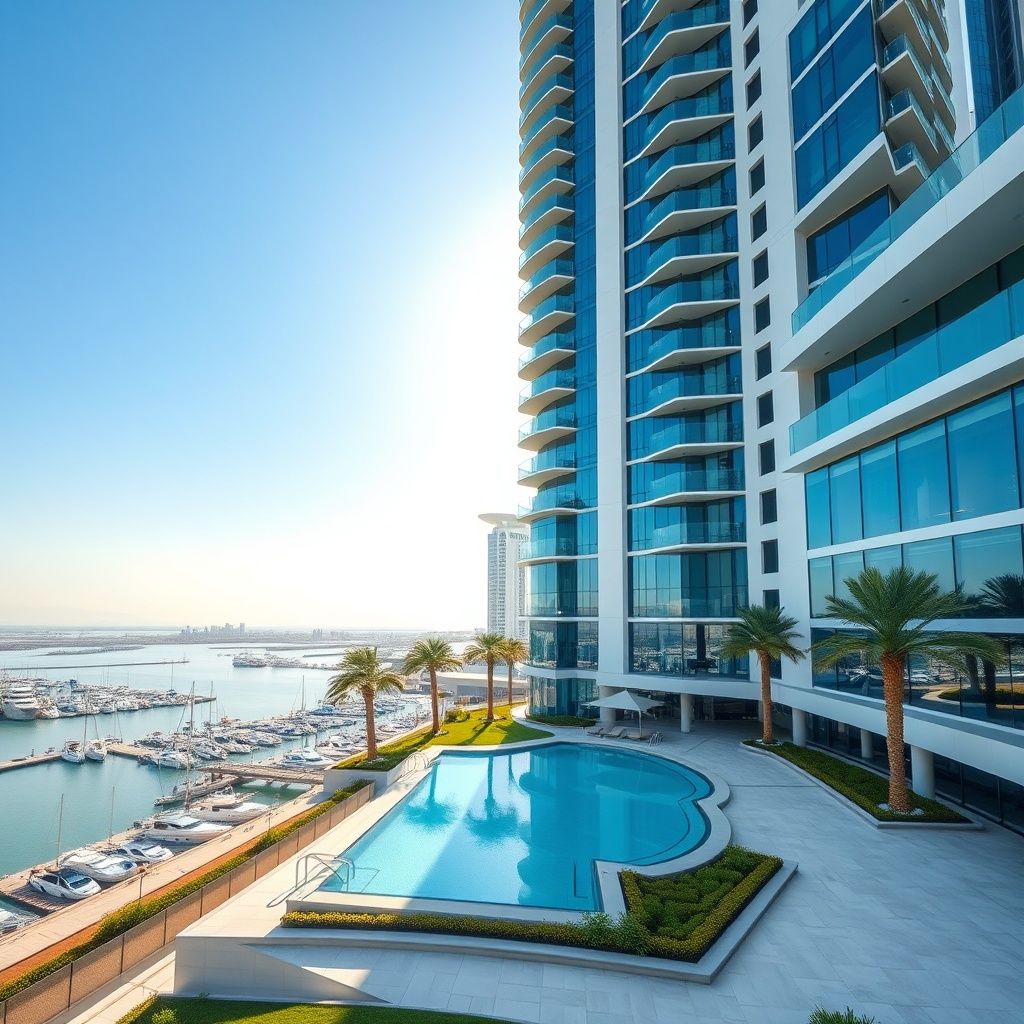
A contemporary Dubai apartment building showcasing the city's regulated, expat-friendly rental framework.
Who Should Choose Which City in 2026
For budget-focused tenants: Cairo offers lower absolute costs and more negotiating power, but requires more time and effort. You may need to visit multiple properties, verify ownership documents, and negotiate directly. The trade-off is a lower monthly outlay for significantly more administrative work.
For corporate and remote workers: Dubai offers convenience, infrastructure, and predictable costs. The rental process is streamlined, contracts are standardized, and you can rely on a well-established legal framework. Remote workers earning foreign income will find Dubai's costs high but manageable, while Cairo's costs are low but the process is less efficient.
For investors: Dubai offers higher liquidity and more reliable yields, but requires a larger initial capital outlay. Cairo offers lower entry points and potential for appreciation, but carries higher management complexity and currency risk. The choice hinges on whether you prioritize a smooth, liquid investment or a low-cost entry with higher upside potential.
Cost of Living & Rental Prices: A Side-by-Side Breakdown
The financial outlay for renting involves more than the monthly rent. Utilities, deposits, agency fees, and maintenance charges all contribute to the true cost. Understanding these components is essential for an accurate comparison.
Quick Answer: The "true cost" of renting in Cairo includes notarization fees and often a broker's commission, while Dubai adds DEWA setup charges, municipality fees, and a 5% reservation deposit. Both markets require a security deposit, but the amounts and how they are held differ significantly.
Average Rental Prices by Property Type
The table below presents verified 2026 average monthly rental prices and utility costs.
| Property Type | Cairo (Central) | Cairo (Peripheral) | Dubai (Central) | Dubai (Peripheral) |
|---|---|---|---|---|
| EGP 12,000 | EGP 8,500 | AED 4,500 | AED 3,000 | 1-bedroom apartment |
| EGP 18,000 | EGP 12,000 | AED 7,500 | AED 5,000 | 2-bedroom apartment |
| EGP 25,000 | EGP 16,000 | AED 11,000 | AED 7,500 | Average monthly utility costs |
| EGP 1,200 | EGP 900 | AED 800 | AED 600 |
Figures are in Egyptian pounds (EGP) and UAE dirhams (AED) per month, based on verified 2026 market data.
Hidden Costs and Fees: What Renters Actually Pay
Beyond the monthly rent, renters in both cities face additional costs that can significantly impact the total budget.
In Cairo, the typical costs include a security deposit (commonly one to two months' rent), a broker's commission (often negotiated, but frequently around one month's rent), and notarization fees for the rental contract. Some landlords may also request a higher deposit for furnished units. Utility setup may require a deposit with the local electricity and water provider.
In Dubai, the standard costs include a security deposit (usually 5% of the annual rent for unfurnished units and 10% for furnished), a reservation deposit of 5% of the annual rent paid when you apply for the property, and a registration fee for the Ejari contract. DEWA (Dubai Electricity and Water Authority) requires a security deposit when you open an account. Some communities also charge a property management fee, which is typically included in the annual rent or paid separately depending on the building.
The structural difference is that Dubai's fees are standardized and predictable, while Cairo's are more negotiable but vary widely by landlord and broker.
Currency, Inflation, and Salary Adjustments
Currency fluctuations and local inflation directly affect real rental affordability. In Dubai, the dirham's peg to the US dollar provides stability, but UAE inflation influences rental prices in nominal terms. In Cairo, the Egyptian pound's volatility and local inflation rates can cause rents to rise quickly in local currency, even if the dollar value remains low.
For context, salaries for similar roles differ substantially between the two cities. A professional earning a comparable position in Dubai typically earns significantly more than the same role in Cairo. This means that while Cairo's rents are lower in absolute terms, the ratio of rent to income may be similar or even higher for locals. In 2026, Egypt's annual inflation rate stood at 11.8%, while the UAE's was 2.3%. Average annual salaries for a mid-level professional were EGP 280,000 in Cairo and AED 190,000 in Dubai. This means that a peripheral 1-bedroom rent consumes about 51% of a local salary in Cairo, compared to about 32% in Dubai — highlighting that while Cairo's absolute rents are lower, the rent-to-income ratio can still be higher for locals.
Renters should always consider the rent-to-income ratio, not just the absolute rent figure. A low rent in Cairo may still consume a large portion of a local salary, while a high rent in Dubai may be more manageable for a professional earning a Dubai-level salary.
Rental Laws, Tenant Rights & Contract Terms: The Legal Landscape
The legal framework is perhaps the most important differentiator for expats and long-term renters. Understanding the laws that govern your tenancy is essential for protecting your rights and avoiding disputes.
Definition: Ejari is Dubai's mandatory tenancy registration system, operated by the Dubai Land Department. It creates a legally recognized record of the rental contract and is required for all residential leases in Dubai.
Tenant Rights and Landlord Obligations
In Cairo, tenant rights are shaped by Egyptian civil law and the specific terms of the rental contract. Landlords are generally required to maintain the property's structural integrity and essential services, but the level of enforcement varies. In practice, many repairs and maintenance issues are negotiated directly between landlord and tenant. Eviction protection exists, but the process can be slow and unpredictable.
In Dubai, tenant rights are clearly defined under Law No. 43 of 2013, which regulates the relationship between landlords and tenants. Landlords are obligated to maintain the property in a habitable condition, and tenants must use the property as agreed. Eviction rules are specific: a landlord must provide a 12-month notice for eviction without a valid reason, or a shorter notice for specific violations. In Cairo, the Civil Code (Articles 558–602) and Law No. 4 of 1996 govern lease agreements, and eviction requires a court order that typically takes 6–12 months. In Dubai, the eviction timeline for non-payment is 90 days, and the Rental Dispute Centre resolves most cases within 3–6 weeks.
The key difference is enforcement. Dubai's Rental Dispute Centre provides a structured, relatively fast process for resolving conflicts, while Cairo's courts are slower and less consistent.
Contract Types, Renewals, and Deposit Rules
In Cairo, rental contracts are typically annual, but many are informal or verbal. Renewal terms are often negotiated directly, and there is no standard renewal process. Deposits are commonly one to two months' rent, held by the landlord, and returned at the end of the tenancy minus any deductions for damages.
In Dubai, tenancy contracts are also annual, but the terms are standardized and registered through Ejari. Renewals are subject to the Dubai Rental Index, which caps annual increases based on the current market rent. Deposits are typically 5% of the annual rent for unfurnished properties, held in a registered account or by the landlord. The notice period for termination is usually 90 days, though this can be negotiated.
Dispute Resolution: Where and How to File a Complaint
Cairo's dispute resolution relies primarily on the court system. A tenant seeking to file a complaint would typically need to hire a lawyer and go through the civil court process. This can be time-consuming and costly, which is why many disputes are resolved informally.
Dubai has a dedicated Rental Dispute Centre, established under the Dubai Land Department, that handles rental disputes quickly and at a relatively low cost. The process involves filing a complaint, attending a mediation session, and, if necessary, a formal hearing. In 2026, the Rental Dispute Centre resolves complaints within 3–6 weeks. The filing fee is AED 200 for claims under AED 500,000, and AED 1,000 for larger claims.
This is a major differentiator. Dubai's system is designed to be accessible and efficient, while Cairo's is more bureaucratic and unpredictable.
Neighborhoods & Lifestyle: Where You Actually Want to Live
Prices and laws matter, but the day-to-day experience of living in a city is what determines long-term satisfaction. The neighborhoods you choose shape your commute, social life, and access to amenities.
Quick Answer: Cairo's neighborhoods range from historic central districts like Zamalek to modern satellite cities like New Cairo, while Dubai's communities are predominantly master-planned developments like Dubai Marina and Downtown Dubai. The lifestyle difference is stark: Cairo offers a more organic, chaotic urban experience, while Dubai offers a curated, designed environment.
Cairo's Rental Neighborhoods: From Zamalek to New Cairo
Cairo's rental market is divided between older, central neighborhoods and newer, satellite developments.
Zamalek is an island district in the Nile with a European feel, wide streets, and a strong expat community. It offers a mix of older apartments and newer buildings, with rents that are among the highest in Cairo. It is popular for its central location, leafy streets, and proximity to cafes and cultural venues.
Maadi is another expat favorite, known for its suburban atmosphere, greenery, and international schools. It is quieter than central Cairo and offers a range of apartments and villas.
New Cairo is a satellite city on the eastern edge of the metropolitan area, characterized by modern developments, gated communities, and newer infrastructure. It is popular with families and those seeking a more planned environment, though it requires a longer commute to central Cairo.
Nasr City and Heliopolis offer more affordable options with good access to amenities, though they are less expat-focused.
The trade-off is clear: central neighborhoods offer culture and convenience but come with older buildings and higher prices, while satellite developments offer modern amenities but require longer commutes. As of 2026, average 1-bedroom rents in Zamalek are EGP 22,000/month with 92% occupancy, Maadi EGP 18,000/month with 88% occupancy, New Cairo EGP 14,000/month with 85% occupancy, and Nasr City/Heliopolis EGP 10,000/month with 80% occupancy.
Dubai's Rental Neighborhoods: From Marina to Downtown
Dubai's rental market is dominated by master-planned communities, each with its own character and amenities.
Dubai Marina is a waterfront district with high-rise apartments, a vibrant promenade, and a strong expat community. It is popular with young professionals and offers excellent access to the beach and nightlife.
Downtown Dubai is the city's iconic center, home to the Burj Khalifa, Dubai Mall, and a range of luxury apartments. It offers a premium lifestyle with high rents, but also provides unmatched convenience and prestige.
Jumeirah Lakes Towers (JLT) is a more affordable alternative to the Marina, with a similar waterfront feel and a large expat population. It offers a balance of value and lifestyle.
Dubai Hills Estate and Arabian Ranches are family-oriented communities with villas, parks, and schools. They offer a suburban lifestyle with high-quality amenities, but are further from the city center.
The master-planned nature of Dubai's communities means that amenities, parks, and retail are designed into the neighborhood. This creates a consistent quality of life but also means that rents are more standardized and less negotiable.
Lifestyle, Commute, and Community Considerations
The daily experience in each city is vastly different. Cairo's commute is often unpredictable, with traffic congestion and a less organized public transport system. The metro is expanding, but many areas are still best accessed by car. Dubai, by contrast, has a well-developed road network, a modern metro system, and a culture of convenience.
Social life also differs. Cairo has a rich, organic cultural scene with cafes, galleries, and historic sites. Dubai's social scene is more curated, with a focus on dining, shopping, and entertainment venues. The community feel in Dubai is often tied to the development you live in, while Cairo's communities are more organically formed.
These factors influence rental decisions because they affect your daily satisfaction. A lower rent in Cairo may be offset by a longer, more stressful commute. A higher rent in Dubai may be justified by a shorter commute and a more predictable lifestyle. In 2026, average one-way commute times in Cairo are 60–90 minutes, compared to 30–45 minutes in Dubai. Cairo's metro system has 3 lines and 80 stations, while Dubai's has 5 lines and 60 stations. Dubai's master-planned communities offer integrated retail, parks, and schools, while Cairo's amenities are more scattered.
The Step-by-Step Process of Renting in Each City
The rental process is where the two markets diverge most significantly. Cairo's process is more informal and requires more direct engagement, while Dubai's is structured and digitized.
Step-by-Step: Renting in Cairo (2026)
1. Determine your target area and budget based on verified 2026 market rates. 2. Search for listings through local brokers, Facebook groups, and classifieds. 3. Verify the property's ownership and legal status before viewing. 4. Negotiate the rent directly with the landlord or broker. 5. Draft and sign a rental contract — ensure it is officially notarized. 6. Pay the security deposit (typically 1-2 months' rent) and first month's rent. 7. Complete any required municipal registration or utility transfer.
Note: As of 2026, all rental contracts in Cairo must be notarized and registered with the local municipality.
Step-by-Step: Renting in Dubai (2026)
1. Define your budget and preferred community using verified 2026 rental data. 2. Search via licensed real estate agents or approved property portals. 3. Review the Ejari-registered contract and confirm the landlord's title deed. 4. Submit a rental application and pay a reservation