
How Much Are Cairo Rental Apartments?
Cairo rental apartments sit at the intersection of old-world charm and modern development, where a historic downtown flat and a brand-new compound unit can exist just a few kilometers apart. The market is shaped by negotiation, word-of-mouth listings, and a wide range of housing styles that cater to different budgets and lifestyles. This guide covers the neighborhoods, costs, legal steps, and practical tips you need to make a confident decision.
Quick Answer: Cairo rental apartments range from older, centrally located units in districts like Zamalek and Downtown to newer, amenity-rich compounds in New Cairo and 6th of October. Prices are typically quoted monthly in Egyptian pounds, but annual contracts are standard, and asking prices are almost always negotiable.
Key Takeaways
- Cairo rental apartments vary widely by neighborhood, with newer compounds in New Cairo and 6th of October offering modern amenities, while older buildings in Zamalek and Maadi provide character and central locations. - Renting in Cairo is a negotiation process — asking prices are rarely final, and the final figure depends on the landlord, the property, and the payment terms. - Contracts are usually written in Arabic and can be registered with the local authorities. Even unregistered contracts carry legal weight in practice, but registration offers stronger protection. - Furnished vs. unfurnished affects both price and availability. Furnished units are more common in expat-heavy areas, while unfurnished units dominate newer compounds. - Using a broker is standard practice, with fees typically paid by the tenant. Always confirm the current fee structure before engaging one.
The Complete Answer: What You Need to Know About Renting an Apartment in Cairo

A warm, nostalgic view of a classic Cairo apartment building with ornate balconies, capturing the old-world charm of historic rental districts.
The Cairo rental landscape is defined by three main types of units: older apartments in historic districts, mid-range flats in established residential areas, and modern units within gated compounds. Lease terms are typically annual, though some landlords accept shorter periods at a higher monthly rate. Negotiation is central to the process — the first price quoted is rarely the final price.
The three rental tiers are as follows:
- Budget: Older apartments in core areas like Downtown, Giza, and parts of Nasr City. These units often have basic finishes and older infrastructure but are close to public transport and daily amenities. - Mid-range: Established districts such as Heliopolis, Maadi, and Zamalek. These offer a balance of character, convenience, and reasonable quality. - Premium: New compounds in New Cairo, 6th of October, and Sheikh Zayed, as well as waterfront properties. These come with security, green spaces, and modern facilities, but typically require a car for commuting.
The standard process involves searching for listings, viewing properties, negotiating the rent, signing a contract, paying a deposit, and moving in. Rental prices are quoted monthly in Egyptian pounds, but the contract is almost always annual, with rent paid in advance — sometimes in full or half-yearly.
Definition: A compound is a gated residential community in Egypt that typically includes shared amenities such as swimming pools, gyms, landscaped gardens, and 24-hour security. These are most common in New Cairo and 6th of October.
How the Cairo Rental Market Differs from Western Markets
The Cairo rental market operates differently from what many expats are used to. There is no centralised listing system, and many apartments are never advertised online. Instead, units are often rented through brokers, by word of mouth, or via signs posted on buildings.
Negotiation culture is strong. Landlords often set asking prices with room for bargaining, and the final rent depends on factors like the length of the lease, payment schedule, and the state of the property. It is also common for landlords to request a significant portion of the annual rent upfront — sometimes half or even the full year — particularly for tenants without a local reference. This practice varies, so always confirm the payment terms before signing.
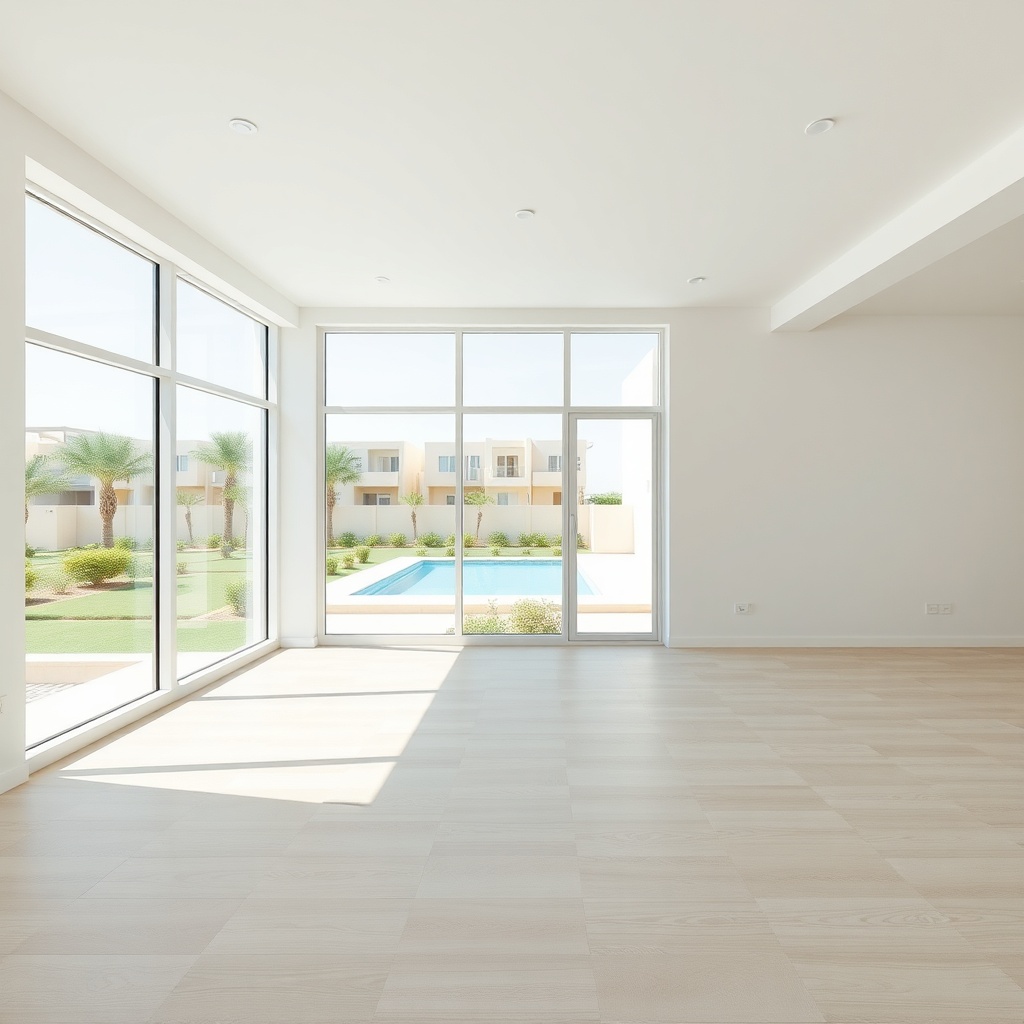
A bright, contemporary apartment interior in a new Cairo compound, highlighting the modern development and amenities found in areas like New Cairo.
Who Rents in Cairo: Expats, Students, and Egyptians
The renter profile in Cairo is diverse, and each group tends to gravitate toward different districts.
- Expats often favor Zamalek, Maadi, or the newer compounds in New Cairo. Zamalek offers island living and a cosmopolitan vibe, while Maadi is known for its suburban feel and Western amenities. - Students typically look for affordable options near universities. Downtown, Giza, and Heliopolis are common choices due to their proximity to campuses and public transport. - Egyptians returning from abroad or moving from other governorates often choose family-oriented areas like Nasr City, Rehab, or Sheikh Zayed, where larger apartments and community facilities are more available.
Choosing the Right Neighborhood: A Practical Breakdown
The best neighborhood for you depends on your lifestyle, commute, and budget. The table below compares the key districts to help you narrow down your options. Note that price ranges are not included here because they fluctuate with market conditions and must be verified against current listings.
| Neighborhood | Vibe | Typical Renter | Commute to Central Cairo |
|---|---|---|---|
| Island living, green spaces, older buildings, expat-friendly | Expats, professionals | Short to medium | Maadi |
| Suburban feel, Western amenities, family-oriented | Families, expats | Medium | Heliopolis |
| Established, historic architecture, good transport links | Families, professionals | Short to medium | New Cairo |
| Gated compounds, modern amenities, spacious | Families, expats with cars | Long | 6th of October |
| Large compounds, affordable premium options | Families, young professionals | Long | Downtown / City Center |
| Historic, affordable, busy | Students, young professionals | Short |
Quick Answer: The best area to rent in Cairo depends on your priorities. If you want central living and historic charm, consider Zamalek or Downtown. If you prefer modern amenities and space, New Cairo and 6th of October compounds are strong options — but budget for a longer commute.
Historic and Central Districts: Zamalek, Maadi, and Downtown
Zamalek is one of Cairo's most desirable residential areas, located on an island in the Nile. It offers tree-lined streets, older buildings with high ceilings, and a relaxed atmosphere. The district is popular with expats and professionals who value its central location and proximity to cafés, restaurants, and galleries. Buildings vary in condition, so inspect the property and the surrounding infrastructure carefully.
Maadi offers a suburban feel with a strong expat community. It has a reputation for Western-style amenities, international schools, and a quieter pace of life. Many families choose Maadi for its green spaces and community atmosphere. Housing ranges from older villas to more recent apartment blocks.
Downtown (also called Wust El Balad) is the historic heart of Cairo. It is affordable and full of architectural character, with grand buildings from the early 20th century. However, the infrastructure is older, and some buildings require maintenance. It is a great option for students and young professionals who want to be close to the action and public transport.
Modern Compounds: New Cairo, 6th of October, and Sheikh Zayed
The modern compounds in New Cairo, 6th of October, and Sheikh Zayed offer a completely different living experience. These are gated communities with security, landscaped areas, swimming pools, and gyms. Apartments are typically newer, with better finishes and more space.
The main trade-off is commute time. These areas are farther from central Cairo, and traffic can add significant time to a daily trip. Many residents rely on private cars or company shuttles. Within the compounds, serviced apartments are becoming more common, offering hotel-like amenities for tenants who prefer a turnkey solution. Availability varies, so confirm current options with local brokers.
Budget and Alternative Areas: Nasr City, Giza, and Rehab
For renters on a tighter budget, several areas offer good value without sacrificing convenience.
Nasr City is a large, central district with a busy, energetic feel. It is popular with students and young professionals due to its affordable rents, shopping options, and access to public transport. The housing stock is mixed, with many older apartment buildings as well as some newer developments.
Giza is home to several universities and offers a diverse range of housing. It is a practical choice for students and families who want to be close to campuses and the west side of the city. The area has both older buildings and newer developments, with prices generally lower than central Cairo.
Rehab is a well-established, family-oriented compound community that offers affordable compound living. It is a good option for those who want the security and amenities of a gated community without the higher price tags of New Cairo's newer developments.
The Rental Process: Step-by-Step from Search to Move-In
Renting an apartment in Cairo follows a fairly consistent sequence. Here is the step-by-step process, with notes on what to watch out for at each stage.
1. Define your budget and preferred districts. Decide how much you can spend monthly and which neighborhoods fit your commute and lifestyle. Be realistic about the trade-off between price and distance.
2. Start your online search and connect with brokers. Use online portals for initial research, then reach out to local real estate agents who know the specific areas you're interested in. Brokers can access listings that never appear online.
3. Schedule viewings. Visit multiple properties to compare. Pay attention to the building condition, water pressure, electrical wiring, and internet availability — these are common issues in older buildings.
4. Make an offer and negotiate. Asking prices are rarely final. Be prepared to negotiate, and consider offering to pay a larger portion upfront to secure a lower monthly rent.
5. Verify landlord identity and property ownership. Ask the landlord for proof of ownership, such as the title deed. This is a critical step to avoid scams or disputes.
6. Review and sign the contract. Read the contract carefully. It is usually in Arabic, so consider hiring a translator or requesting a bilingual contract. Confirm the lease duration, rent amount, renewal terms, and payment schedule.
7. Pay the deposit and first rent. Deposits are typically refundable at the end of the lease, subject to deductions for any damage. Confirm the deposit amount and the refund conditions in writing.
8. Conduct a walkthrough and document the condition. Before moving in, walk through the apartment with the landlord and note any existing damage. Take photos or videos to protect your deposit.
9. Move in and request utilities transfer. Arrange for electricity, gas, and water to be transferred to your name. Check whether the landlord or the compound handles these services.
Finding Listings: Online Portals, Brokers, and Word of Mouth
There are three main channels for finding Cairo rental apartments, and each has its strengths.
Online portals are useful for initial research and getting a sense of price levels in different areas. However, listings can be outdated, and some may no longer be available. Treat online listings as a starting point rather than a definitive list.
Brokers are essential in many areas. They act as intermediaries, negotiating on your behalf and helping you navigate the process. In Cairo, the tenant typically pays the broker fee, which is often around one month's rent. Always confirm the fee before working with a broker.
Word of mouth is surprisingly effective in Cairo. Many apartments, especially in older buildings, are never listed publicly. Asking friends, colleagues, or building managers can uncover unlisted units that are not available through any other channel.
Negotiating Rent and Understanding the Price
Negotiation is expected when renting in Cairo. Asking prices often include a buffer, and it is common to negotiate a reduction. The exact amount varies by market conditions, so do not assume a fixed percentage. Instead, approach negotiations by comparing similar units in the same area and being prepared to walk away if the price does not meet your budget.
Several factors influence the final price: the floor level, street noise, the state of the building, and whether the unit is furnished. A quiet, well-maintained apartment on a higher floor will command a premium over a noisy ground-floor unit in the same building. Paying more upfront — for example, six months or a full year in advance — can sometimes secure a lower monthly rate, as it reduces the landlord's risk.
Contracts, Deposits, and Legal Considerations
A standard Cairo rental contract includes the lease duration, monthly rent, payment schedule, and renewal terms. Most contracts are for one year and may be renewable. Some contracts include a clause about rent increases upon renewal, so read this carefully.
The deposit is usually equal to one month's rent and is refundable at the end of the lease, after deductions for any damage beyond normal wear and tear. Confirm the exact amount and the conditions for refund in the contract.
Before signing, check the landlord's title deed — often referred to as "sak maskan" — to verify that the person renting to you is the legal owner. This protects you from potential disputes. Contracts are typically written in Arabic, so if you do not read Arabic, consider hiring a translator or asking for a bilingual version.
Quick Answer: To rent an apartment in Cairo, you will typically need a passport, proof of income, and sometimes a national ID for Egyptian citizens. Foreigners are usually not required to have a local guarantor, but landlords may ask for a higher deposit or a longer upfront payment as an alternative.
Furnished vs. Unfurnished: What Suits Your Needs
The choice between furnished and unfurnished is one of the most important decisions when renting in Cairo. The two categories differ significantly in price, convenience, and flexibility.
Furnished apartments come with beds, sofas, appliances, and sometimes kitchenware. They are common in expat-heavy areas like Zamalek and Maadi, and are ideal for short stays or for tenants who do not want to invest in furniture. The monthly rent is higher, and the quality of furnishings varies widely — always inspect in person or request detailed photos.
Unfurnished apartments have bare walls, basic fixtures, and no appliances. They are more common in newer compounds and older buildings. The rent is lower, but you will need to budget for furniture and appliances. Some landlords offer "semi-furnished" units, which include kitchen and bathroom fixtures only.
Pros and Cons of Furnished Apartments
Pros: - Move-in ready with no need to purchase furniture. - Better suited for shorter stays or temporary assignments. - Fewer upfront costs for appliances and furnishings.
Cons: - Higher monthly rent. - Limited personalisation — you live with someone else's furniture. - Quality varies widely between units, so inspection is essential.
Pros and Cons of Unfurnished Apartments
Pros: - Lower monthly rent. - Freedom to furnish the space to your taste. - Potential long-term cost savings if you stay for several years.
Cons: - High initial cost for furniture and appliances. - Longer setup time before the apartment is fully livable. - You are responsible for maintenance and replacement of appliances.
Practical Tips for a Smooth Renting Experience
Beyond the basics of finding and signing for an apartment, a few practical considerations will make your life in Cairo much easier.
Utilities and Internet: What to Expect
Electricity, gas, and water are typically billed separately from rent and must be transferred to your name. The process can take time, so start early. Some compounds include utility fees in the rent, but this is not universal — confirm with your landlord.
Internet options include fiber, DSL, and mobile hotspots, but availability varies by building. Older buildings may have limited infrastructure, while newer compounds often have dedicated fiber connections. Ask about internet providers and speeds before signing, especially if you work from home.
Transportation and Commute Considerations
Traffic in Cairo is a major factor in rental decisions. A short distance on the map can mean a long commute in practice. Proximity to the metro or monorail is a significant advantage, especially for central districts. Renters in compounds often rely on private cars or company shuttles, so factor in fuel costs and travel time when comparing neighborhoods.
Building Management and Community Rules
The building manager — often called the "boab" or "doorman" — plays an important role in day-to-day living. They handle building maintenance, security, and sometimes deliveries. A good building manager can make a significant difference to your quality of life.
In compounds, pay attention to the community rules: maintenance fees, parking regulations, and security arrangements. These are usually managed by the compound's administration and are set out in the rental agreement. Ask about these before signing, as they can affect your monthly costs and daily routine.
FAQ: Common Questions About Renting in Cairo
Q1: What is the average rent for a one-bedroom apartment in Cairo? Rent varies widely by district. A one-bedroom in a central area like Zamalek or Maadi will cost more than a similar unit in Giza or Nasr City. New compounds also command higher prices. Check current listings for the specific areas you're considering.
Q2: Do I need a local guarantor to rent an apartment in Cairo? Foreigners are usually not required to have a local guarantor. However, landlords may ask for a higher deposit or a longer upfront payment as an alternative. Confirm the landlord's requirements before signing.
Q3: Is it possible to find short-term rentals in Cairo? Yes, but short-term rentals are priced higher than annual leases. Serviced apartments and hotels are alternatives for stays of a few weeks or months. Some landlords will accept a six-month lease, but the monthly rate is often higher.
Q4: Can I negotiate the rent in Cairo? Yes, negotiation is expected. Asking prices are rarely final, and it is common to negotiate a reduction. Compare similar units in the same area to strengthen your position.
Q5: What documents do I need to rent an apartment in Cairo? You will typically need a passport, proof of income, and sometimes a national ID for Egyptian citizens. Landlords may also request a copy of your visa or residency permit. Check the specific requirements with your landlord or broker.
Conclusion
Renting an apartment in Cairo comes down to three key steps: choosing the right neighborhood, understanding the process, and preparing to negotiate. The city offers a wide range of options for every budget and lifestyle — from historic Downtown flats to modern compound villas in New Cairo. Verify all current prices and legal requirements before making decisions, since market conditions and regulations can change. Patience and flexibility are essential. Take your time, visit multiple properties, and work with a trusted broker to find a home that fits your needs.