Furnished Vs Unfurnished Rentals In Cairo: Which To Choose?
Choosing between furnished and unfurnished rentals in Cairo is a major financial and lifestyle decision that affects expats, returning Egyptians, and young professionals in very different ways. The Cairo rental market operates with distinct dynamics, where furnished units are abundant in expat-heavy neighborhoods like Zamalek, Maadi, and Heliopolis, while unfurnished options dominate newer developments in New Cairo and Sheikh Zayed. This guide provides a definitive comparison of the two options to help you choose based on your budget, length of stay, and lifestyle needs. Since rental rates and regulations change frequently, verify all specific prices and terms with current local sources before making a decision.
- Furnished rentals in Cairo are typically more expensive per month but eliminate upfront costs for appliances, furniture, and bedding, making them ideal for short stays under 12 months and expats who may relocate quickly. - Unfurnished rentals offer lower monthly rent but require significant capital for setup—appliances, sofas, kitchenware—and a longer time commitment to justify the investment. - Negotiation power differs: Furnished units often have less room for rent negotiation due to higher demand from transient tenants, while unfurnished units may allow for more flexible terms, especially in less central areas. - The "furnished" definition in Cairo varies widely—some units include only basics like kitchen cabinets and ACs, while others are fully equipped with linens and cookware; always get a detailed inventory in writing. - Your choice should hinge on your expected tenure and move-in budget—if you plan to stay longer than 18 months, unfurnished usually becomes more cost-effective, but only if you can handle the initial setup costs.
The Complete Answer: Furnished vs. Unfurnished Rentals in Cairo — What Should You Choose?
For short-term stays under 12 months or for newcomers who need to move in immediately without buying appliances, furnished rentals are the clear winner. For long-term residents over 18 months who have the budget to furnish a home over time, unfurnished rentals offer lower monthly costs and the freedom to create a personalized living space.
Quick Answer: Choose a furnished rental in Cairo if you're staying less than a year or want to move in immediately. Choose an unfurnished rental if you're staying over 18 months and can invest in furniture and appliances upfront.
The choice is not just about monthly rent; it's about total cost of occupancy—rent plus setup costs plus time—and the flexibility to leave without penalty. Cairo's rental market has a high turnover of expats and international students, which drives a robust supply of furnished apartments in areas like Maadi, Zamalek, and Heliopolis. Conversely, local families and long-term professionals often prefer unfurnished units in newer developments like New Cairo and Sheikh Zayed.
How the Definitions Differ in Cairo
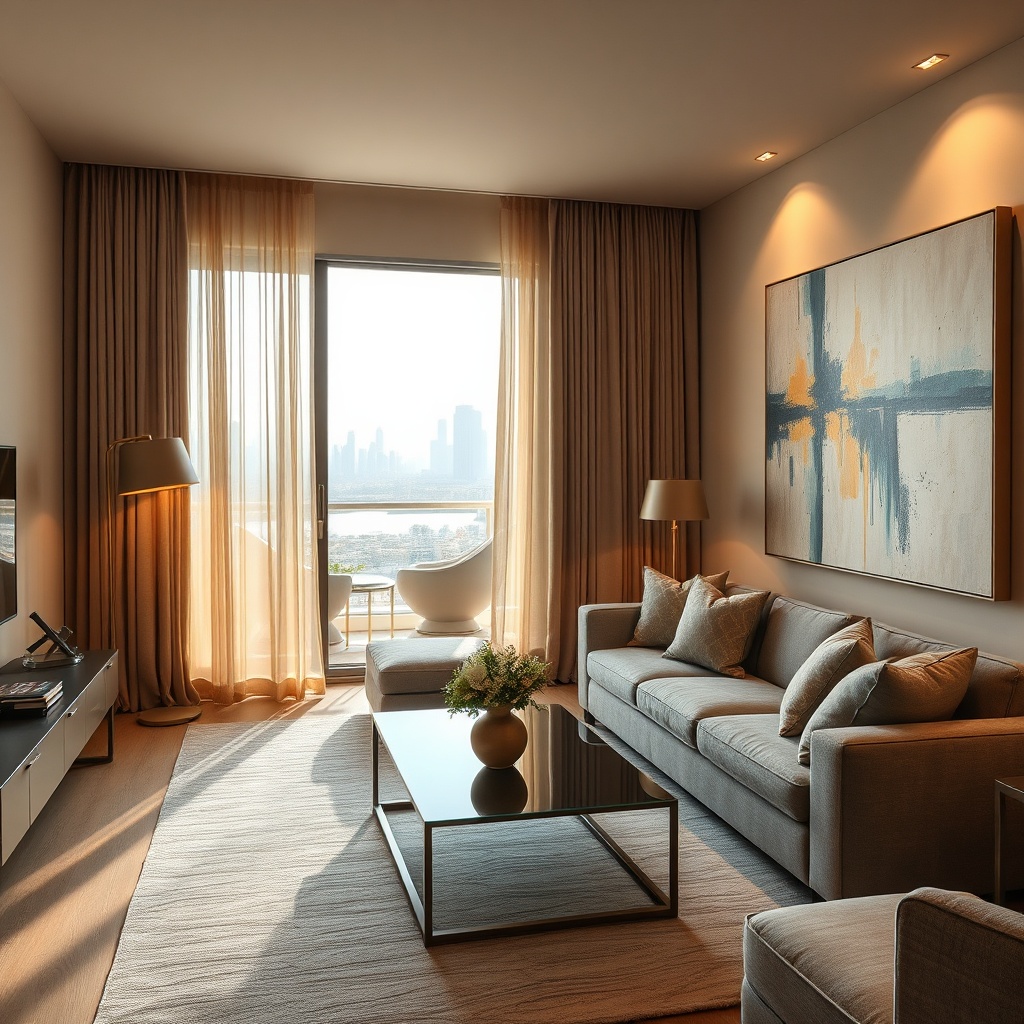
An inviting furnished living space in Cairo's Zamalek, highlighting the move-in ready appeal for expats and short-term renters.
The term "furnished" is not standardized across the Cairo rental market, so understanding the local definitions prevents surprises.
- Furnished: Typically includes a bed, sofa, dining table, kitchen appliances like a fridge, stove, and washing machine, and sometimes air conditioning units. Quality varies from basic to luxury. - Unfurnished: Usually includes only built-in fixtures such as kitchen cabinets, wardrobes, and bathroom fittings. Tenants must provide all movable furniture and white goods. - Semi-furnished: A common middle ground in Cairo—includes kitchen appliances and maybe ACs, but no beds or sofas.
Definition: Semi-furnished is a rental category common in Cairo that includes major kitchen appliances and sometimes air conditioning units, but excludes movable furniture like beds and sofas, requiring the tenant to purchase those items.
The Cost Equation: Rent vs. Setup vs. Time
When comparing furnished vs. unfurnished rentals in Cairo, you need to consider three costs: monthly rent, upfront setup expenses, and the time required to move in. Furnished units command a premium over unfurnished equivalents in the same neighborhood, though the exact percentage varies by building and landlord. Unfurnished requires purchasing furniture and appliances—a significant one-time expense—while furnished requires only a security deposit and first month's rent. Moving into a furnished unit can be done in days, while an unfurnished apartment may take weeks to source and install everything.
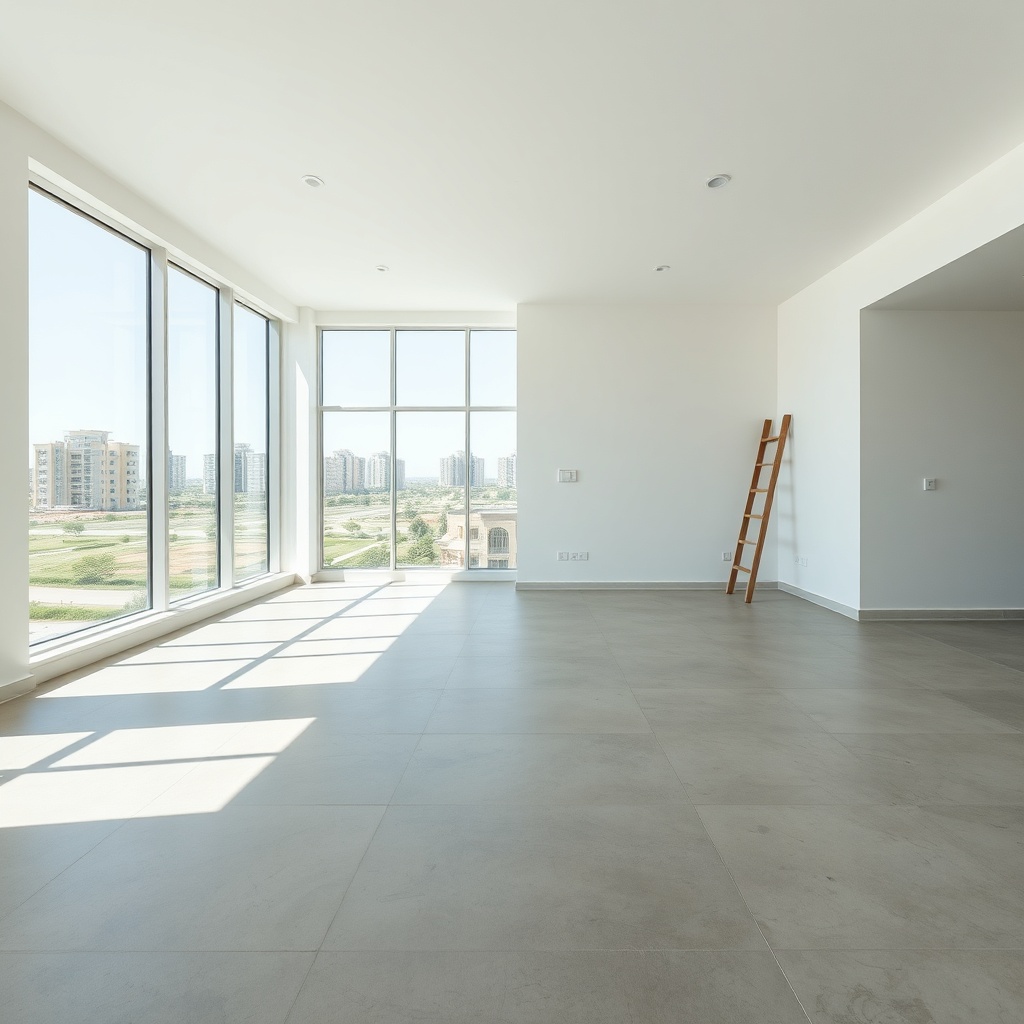
A bright, empty unfurnished apartment in New Cairo, representing the cost-effective long-term option for those willing to furnish their own space.
Section 1: The Financial Breakdown — Which Option Saves You Money Over Time?
Instead of comparing monthly rents only, the smarter approach is to calculate the "break-even point"—the number of months after which unfurnished becomes cheaper than furnished, considering all setup costs. This total cost of renting approach gives you the real picture.
Comparing Monthly Rents in Key Cairo Neighborhoods
Rental rates fluctuate based on market conditions, building age, and exact location, so you should verify current listings before making decisions. The table below shows the framework for comparison, but you'll need to fill in the figures from local listings or a reputable real estate brokerage.
| Neighborhood | Average Furnished Rent (2BR) | Average Unfurnished Rent (2BR) | Furnished Premium |
|---|---|---|---|
| Verify current listings | Verify current listings | Verify current listings | Maadi |
| Verify current listings | Verify current listings | Verify current listings | New Cairo |
| Verify current listings | Verify current listings | Verify current listings | Nasr City |
| Verify current listings | Verify current listings | Verify current listings |
Estimating the Setup Cost for an Unfurnished Apartment
Budgeting for an unfurnished apartment requires a methodical approach to avoid underfunding your move.
1. Create a room-by-room inventory — list every item needed, including a bed, mattress, sofa, dining table, fridge, and washing machine. 2. Research local prices at Egyptian furniture chains like IKEA and local markets such as El-Ataba for a baseline. 3. Prioritize essential items — start with the kitchen and bedroom; add living room items later. 4. Include appliances — a washing machine and refrigerator are non-negotiable; add a stove and AC if not provided. 5. Add a 10-15% contingency for delivery, assembly, and unexpected purchases. 6. Calculate the total setup cost and divide by the number of months you plan to stay to get the monthly "furnishing cost."
The Hidden Costs of Furnished Rentals
Furnished rentals in Cairo come with their own set of potential financial pitfalls. Some units come with low-quality, worn furniture that may need replacement or repair, which can be costly. Landlords may charge higher deposits for furnished units and deduct for wear and tear at the end of the lease. You also cannot change the layout or replace furniture without permission, which limits your ability to customize the space to your taste.
Section 2: Lifestyle and Flexibility — Who Is Each Option Best For?
Matching the rental type to your life stage, family status, and career trajectory is just as important as matching it to your budget. The right choice depends on your personal circumstances, not just the monthly rent number.
The Expat and Short-Term Tenant Profile
This profile fits expatriates on 1-2 year contracts, consultants, and digital nomads who want to avoid the hassle of buying and selling furniture. The advantages are clear: move-in readiness, no logistics, and easy departure at contract end. The disadvantages include premium rent, a lack of personal touch, and the potential for poor-quality furnishings that don't meet your standards.
The Long-Term Resident and Family Profile
This profile fits Egyptian families, long-term professionals staying 3+ years, and those who want to build a home. The advantages include lower monthly costs, full control over furniture quality and style, and the ability to negotiate rent. The disadvantages are high upfront capital, time-consuming setup, and difficulty moving if you need to relocate unexpectedly.
The Hybrid Approach: Semi-Furnished or Negotiating Add-ons
Some landlords are open to providing a few key appliances like a fridge or washing machine for an extra monthly fee instead of a full furnishing package. You can propose a higher rent in exchange for essential appliances, or ask the landlord to deduct the cost of appliances from the first year's rent. This approach works well when you find an unfurnished unit in a great location but don't want to buy large appliances upfront.
Section 3: The Practical Reality of Moving — Logistics and Time
The "time tax" of moving into an unfurnished apartment is often underestimated. A day-by-day comparison of what it actually takes to move into each type of rental reveals a significant difference in effort.
Moving Into a Furnished Apartment: The 3-Day Process
- Day 1: Sign the lease, pay the deposit, receive keys, and conduct a walkthrough with an inventory list. - Day 2: Purchase personal items like linens, kitchenware, and toiletries, and arrange for cleaning. - Day 3: Move in personal belongings, set up internet and utilities, and settle in.
Moving Into an Unfurnished Apartment: The 3-Week Process
- Week 1: Measure rooms, order furniture and appliances, and schedule delivery. - Week 2: Receive and assemble furniture, install appliances, and arrange for painting or minor repairs. - Week 3: Set up the kitchen and living areas, finalize utilities, and move in.
The Inventory Checklist — Why It's Critical for Furnished Rentals
Disputes over missing or damaged items are common in furnished rentals, so a detailed, signed inventory protects both parties. The checklist should include photos of every room, serial numbers of appliances, and condition notes for all furniture. This documentation is essential for getting your security deposit refunded without deductions.
Section 4: The Legal and Contractual Landscape in Cairo
Egyptian rental law and common practices differ between furnished and unfurnished contracts, especially regarding termination and maintenance responsibilities. Understanding these differences helps you negotiate better terms and avoid disputes.
Standard Lease Terms for Furnished vs. Unfurnished
Furnished contracts often include a clause for replacing damaged items and may have stricter rules on pets and guests. Unfurnished contracts typically focus on structural maintenance, with tenants responsible for internal repairs and upkeep. Always confirm these responsibilities in writing before signing.
The Deposit and Maintenance Responsibility Split
The table below outlines the typical split of responsibilities, though you should verify these terms in your lease agreement.
| Responsibility | Furnished Rental | Unfurnished Rental |
|---|---|---|
| Landlord | Landlord | Appliance breakdowns (fridge, washing machine) |
| Landlord (if included) | Tenant (if purchased by tenant) | Furniture damage |
| Tenant (unless normal wear) | N/A | Painting and cosmetic repairs |
| Tenant (if changed) | Tenant |
Negotiating the Rent and Terms Based on Furnishing
Furnished units typically have less room for negotiation, but you can ask for a free month for long-term contracts of 12+ months. Unfurnished units are more flexible—you can offer a longer lease in exchange for a lower monthly rate, or ask the landlord to provide a specific appliance as part of the deal.
Section 5: Making the Final Decision — A Practical Framework
A simple decision matrix that scores your personal situation gives a clear recommendation. This framework helps you evaluate the trade-offs objectively.
Decision Matrix: Score Yourself on 5 Key Factors
- Factor 1: Expected Length of Stay — Short stays favor furnished; long stays favor unfurnished. - Factor 2: Upfront Capital Available — Low capital favors furnished; high capital favors unfurnished. - Factor 3: Desire for Customization — Low desire favors furnished; high desire favors unfurnished. - Factor 4: Time to Move In — Immediate move-in favors furnished; flexible timeline favors unfurnished. - Factor 5: Tolerance for Hassle — Low tolerance favors furnished; high tolerance favors unfurnished.
Step-by-Step Guide to Choosing the Right Rental in Cairo
1. Determine your budget — calculate your maximum monthly rent and total move-in budget. 2. Estimate your setup cost if unfurnished, using the earlier step-by-step list. 3. Calculate the break-even point — divide your total setup cost by the monthly rent difference between furnished and unfurnished. 4. Compare your break-even point with your expected length of stay — if you'll stay longer, unfurnished wins; if shorter, furnished wins. 5. Research neighborhoods to see which option is more available and meets your lifestyle needs. 6. Shortlist properties and schedule viewings, paying close attention to the inventory for furnished units. 7. Negotiate terms — ask for free months, appliance inclusion, or maintenance clauses. 8. Sign the contract after reviewing all clauses and taking photos of the unit's condition.
Common Mistakes to Avoid
- Assuming "furnished" means "fully equipped" — always ask for a detailed list of what's included. - Underestimating the cost of furnishing — a quality used furniture set can still cost a significant sum. - Ignoring the time factor — a 3-week setup delay can be costly if you're paying rent on an empty apartment.
FAQ: Furnished vs. Unfurnished Rentals in Cairo
Q1: Is it cheaper to rent a furnished or unfurnished apartment in Cairo?
Furnished apartments typically have higher monthly rent, but unfurnished apartments require a large upfront investment for furniture and appliances. The cheaper option depends on your length of stay. For stays under 12 months, furnished is usually cheaper overall; for stays over 18 months, unfurnished often becomes cheaper after the break-even point.
Q2: What is typically included in a furnished rental in Cairo?
A furnished rental in Cairo usually includes a bed, sofa, dining table, kitchen appliances like a fridge, stove, and washing machine, and sometimes air conditioning units. However, the definition varies widely—always request a written inventory list before signing.
Q3: Can I negotiate the rent on a furnished apartment in Cairo?
Yes, but less so than with unfurnished units. Landlords of furnished apartments often expect a premium, but you can negotiate on the lease term, such as a free month for a 12-month contract, or ask for additional items to be included.
Q4: What are the maintenance responsibilities for a furnished rental?
The landlord is typically responsible for structural repairs and appliance breakdowns, while the tenant is responsible for damage caused by misuse. Always confirm the split in the lease agreement to avoid disputes.
Q5: How do I calculate the break-even point between furnished and unfurnished?
Subtract the monthly rent of the unfurnished unit from the furnished unit to get the monthly premium. Then, divide your total setup cost—furniture, appliances, delivery—by that monthly premium. The result is the number of months you must stay for unfurnished to become cheaper.
Conclusion
Furnished rentals in Cairo offer convenience and speed for short-term stays, while unfurnished rentals provide long-term savings and customization for those who plan to stay and invest. Use the step-by-step guide and decision matrix to evaluate your personal situation—your length of stay, budget, and lifestyle should drive your choice, not just the monthly rent number. Before signing any lease, always request a detailed inventory for furnished units and get a written estimate for setup costs for unfurnished units. For the most accurate pricing, consult current listings or a local real estate agent.